Last week I watched a 15‑minute match of Mobile Legends on a 5‑inch screen while standing in a coffee shop queue. The team’s coordination felt sharper than any LAN event I’d seen, and the final 30‑second play was executed with the same precision as a pro‑league highlight reel. That moment made me realize smartphones are no longer just a convenience; they’re a new battleground.
Hardware Evolution: Smartphones That Can Compete
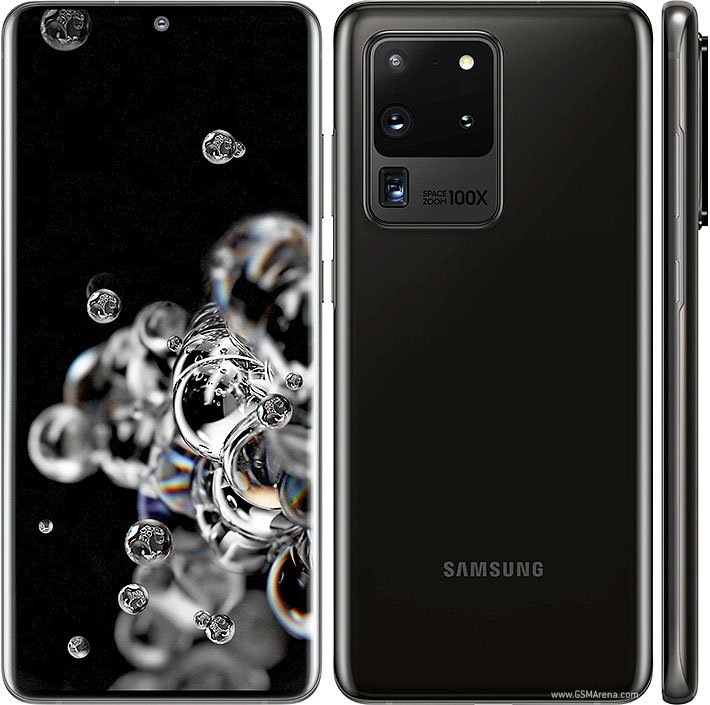
Modern phones now sport GPUs that rival mid‑range consoles. The Snapdragon 8 Gen 2, for example, delivers 2.5 TFLOPs of graphics performance, enough to run 60 fps on 1080p in titles like Call of Duty: Mobile. Battery life has also improved; a 5000 mAh pack can sustain a full tournament match, while fast‑charging tech brings a 60‑minute recharge to 80 % in under 30 minutes. These specs mean players can train and compete without a PC or console.
However, the high cost of flagship devices can be a barrier. A 2024 flagship runs around $1,200, and not everyone can afford that. Mid‑tier phones, priced between $300 and $500, still offer 60 fps performance in most mobile esports titles, but they struggle with the most demanding games.
Game Design Adapted for Touch
Developers have rethought controls to suit finger input. In PUBG Mobile, the “tap‑and‑drag” mechanic replaces the traditional WASD keys, allowing quick repositioning. Some games, like Clash Royale, use a card‑based system that eliminates the need for complex button combinations. This design shift has lowered the entry barrier; a casual player can pick up a phone and join a ranked match within minutes.
Still, the learning curve can be steep. Mastery of a game like Mobile Legends requires precise timing and muscle memory that takes months to develop, especially when competing against players who have trained on high‑end hardware.
Infrastructure and Connectivity
Low‑latency networks are crucial for esports. 5G rollout has reduced ping to under 20 ms in major cities, making real‑time battles feasible. In rural areas, however, 4G LTE can still introduce 50–70 ms lag, which is noticeable in fast‑paced games. Tournament organizers now offer dedicated servers with edge‑computing nodes to mitigate this, but the benefit is uneven across regions.
Another limitation is data caps. A single 30‑minute match in Call of Duty: Mobile can consume 200 MB of data. Players with limited bandwidth may have to switch to Wi‑Fi mid‑game, disrupting flow.
Community and Monetization
Mobile esports has cultivated a vibrant community. Discord servers host daily scrims, and streaming platforms like YouTube Gaming have dedicated channels for mobile tournaments. Revenue streams include in‑app purchases, sponsorships, and ad revenue. A top player can earn $5,000 per month from streaming alone, but this income is highly variable and depends on viewership.
On the downside, the freemium model can pressure players to spend. In Call of Duty: Mobile, the “loot box” system rewards random items, and many players spend $50–$100 a month to stay competitive. This can create a pay‑to‑win perception, dampening the sport’s integrity.
If you’re looking to test your luck alongside your skills, www.mystakeuk-uk.co.uk offers a seamless online casino experience.
Cross‑Platform Integration and Future Trends
Some titles are bridging mobile and PC. Valorant announced a mobile companion app that allows players to view live stats and communicate with teammates on the go. This integration hints at a future where a single account spans devices, enabling seamless transitions between practice and competition.
Artificial intelligence is also making inroads. AI coaches analyze gameplay data to suggest optimal build paths, while machine learning algorithms predict opponent strategies in real time. These tools level the playing field for newcomers, but they also raise concerns about data privacy and the potential for algorithmic bias.
From Pocket to Mainstream: The Road Ahead
Mobile esports is no longer a niche. With over 1.5 billion active players worldwide, the market is expanding faster than traditional console esports. The accessibility of smartphones means anyone with a basic device can join a tournament, and the growing infrastructure supports high‑quality competition.
Yet, challenges remain: hardware cost disparities, network inconsistencies, and monetization models that can alienate players. Addressing these issues will be key to sustaining the momentum.
Conclusion: A New Era of Competitive Play
When I watched that coffee shop match again, I realized the smartphone had become the new arena. It’s not just about convenience; it’s about redefining what a competitive gamer can be. As network speeds improve and hardware becomes more affordable, the line between mobile and traditional esports will blur further. For now, the pocket is proving to be a powerful tool for the next generation of champions.