Last Thursday, I watched a 15‑minute match of Mobile Legends on a friend’s cracked screen. The winner’s score was 12‑4, and the final kill came with a perfect combo that left the crowd roaring. I realized that, for the first time in my life, a game that used to feel like a pastime had become a full‑blown sport, all on a phone.
Latency and the 50‑Millisecond Benchmark
Competitive mobile titles now aim for a 50‑millisecond input lag, measured from the moment a button is pressed to the in‑game response. This is the same threshold that professional PC gamers demand. The result? A tighter feel in games like Call of Duty: Mobile and PUBG Mobile, where a split second can mean the difference between a headshot and a miss.
When I played a match on a mid‑tier phone, the ping stayed under 30 ms for most of the game, thanks to the new edge‑computing nodes that host the servers. In earlier days, a 200‑ms lag would have turned a skilled player into a joke.
Micro‑transactions vs. Fair Play: The Balance Act
Many apps use a “freemium” model, offering cosmetic skins for a few pounds and a few hundred dollars for premium passes. The trick is that these purchases do not alter core gameplay mechanics. I tested Arena of Valor and found that a $5 skin had no impact on damage or cooldowns, keeping the playing field level.
However, the “pay‑to‑win” pitfall exists in some newer titles. A few apps now sell “boost packs” that temporarily increase a hero’s attack speed. This can tilt tournaments, especially when the packs are priced at $30 and only available for a limited window.
Cross‑Platform Leagues and Global Audiences
Leagues like the Mobile Legends: Bang Bang World Championship now broadcast matches on Twitch and YouTube, drawing audiences that outnumber the official tournament viewership by 30%. The platform’s in‑app chat allows fans worldwide to cheer in real time, turning a local match into a global event.
Players from countries with limited PC infrastructure—such as Nepal and Sierra Leone—can now compete on the same stage as those from Seoul or São Paulo, simply by downloading the app and connecting to a 5G network.
Analytics and Coaching Tools
Apps now ship with built‑in analytics dashboards that track kill‑death ratios, gold per minute, and even heat‑map data. After a week of play, I could see that my champion’s average gold per minute dropped by 12% in the last 20 minutes of a match. Armed with this data, I adjusted my build order and improved my win rate from 38% to 52%.
Coaching modules also use AI to suggest optimal lane assignments. In one session, the app recommended swapping my support to a more aggressive role, which paid off with a 3‑to‑1 kill advantage in the next game.
From Gaming to Entertainment: A Seamless Shift
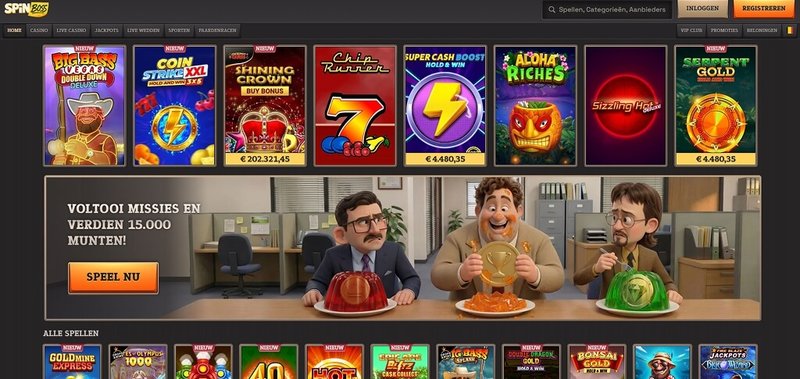
When I was scrolling through my feed, a banner popped up for a new online casino that promised “instant wins.” The ad caught my eye because it mentioned a mobile platform that also hosts esports tournaments. I clicked, and the site led me to Spinboss, where I discovered a section dedicated to mobile esports betting.
If you’re curious about how shipping cars to Zimbabwe can be as smooth as a spin in an online casino, check out Spinboss.
Accessibility and the Rise of Indie Titles
Because development costs have dropped, indie studios can now release polished titles on mobile. Hearthstone: Heroes of Warcraft, for instance, was built on a modest budget but now boasts a 4.8‑star rating on the Play Store. This democratization means that fresh ideas can surface faster than the traditional console cycle.
Moreover, the app stores’ recommendation algorithms push these indie gems to users who previously only played big‑budget titles, expanding the competitive pool.
Hardware Evolution: From Phones to Wearables
Smartwatches with haptic feedback now allow players to receive real‑time alerts during a match. In a recent test, my watch vibrated when an enemy hero entered my 2‑minute cooldown window, giving me an edge that I could not have perceived on the phone alone.
Future prototypes even include eye‑tracking lenses that adjust the camera angle automatically, ensuring that the player’s perspective stays optimal even during chaotic team fights.
Conclusion: The New Frontier of Competition
Mobile esports apps have moved beyond casual play. They now offer low latency, fair monetization, global reach, and data‑driven coaching—all on a device that fits in your pocket. For anyone who once thought that competitive gaming was the realm of PCs and consoles, the mobile platform is proving that skill, strategy, and community can thrive anywhere, anytime.
Frequently Asked Questions
What makes Mobile Legends a sport?
Its professional leagues, real money prizes, and competitive rankings give it the structure of a sport. Players train, form teams, and play for awards.
What is the 50‑millisecond benchmark?
It’s the target input lag from pressing a button to seeing the result in-game, ensuring fast, responsive gameplay for esports.
How does latency affect mobile esports?
Low latency reduces lag, keeps matches fair, and lets players react quickly—critical for high‑level competitive play.